
Breathing Problems
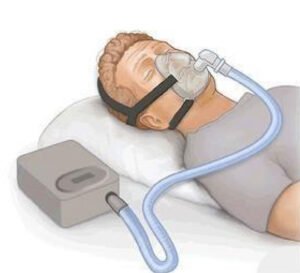 Patients with MSA can develop breathing problems as their disease progresses. These can include obstructive sleep apnea, low oxygenation, breathlessness, and stridor. Stridor — a high-pitched sound heard mainly on inspiration — occurs in up to 40% of MSA patients and may be a predictor of poorer disease outcome. It results from impaired function of the laryngeal muscles that control the vocal cords: either weakness of the muscles that normally open (abduct) the vocal cords during breathing, dystonic overactivity of the muscles that close (adduct) them, or a combination of both — narrowing the airway during inspiration. The exact balance of these mechanisms may differ between MSA subtypes. Stridor can occur at any time of day, but when it happens during sleep it can result in obstructive sleep apnea — repeated pauses in breathing during sleep. Sleep-related breathing problems have been reported in 15–37% of MSA patients.
1. Non-pharmacological treatment of breathing problems
- CPAP is the primary treatment for sleep apnea and mild-to-moderate stridor, and can help with symptomatic control, though its impact on survival is unclear. Adherence tends to decline as MSA progresses due to discomfort.
- Tracheostomy is the recommended treatment for persistent and severe stridor, including stridor occurring during wakefulness, which reflects a more advanced stage of disease. Unlike CPAP, tracheostomy may improve survival, according to the international consensus statement on stridor in MSA.
2. Medications for breathing problems
- Botulinum toxin injected into the vocal cords has been studied for stridor in MSA, but there isn’t enough evidence to recommend it.
- SSRIs have been explored for sleep-disordered breathing, based on serotonin’s role in promoting sleep and throat muscle relaxation. In general (non-MSA) sleep apnea populations, the combination of ondansetron and fluoxetine has reduced apnea severity in small trials — this hasn’t been specifically studied in MSA patients. Separately, in a large retrospective cohort of MSA patients, SSRI use (as a class) showed no survival benefit and was associated with higher rates of parkinsonism and falls. However, a placebo-controlled randomized trial of fluoxetine specifically in MSA patients found a trend toward improved motor scores, alongside improved emotional and social quality of life — missing its primary endpoint but leaving the overall picture on SSRIs in MSA genuinely mixed rather than settled.
Medical Information
This page provides general information about approaches used to manage Parkinsonian symptoms associated with Multiple System Atrophy (MSA). It is not intended to diagnose or treat a medical condition or replace advice from a qualified healthcare professional.
Treatment recommendations can change as research develops. Please speak with your healthcare professional about treatment options that may be appropriate for you.
Medically reviewed by: [Name, credentials]
Last reviewed: [Month Year]